
Puppy School
Taking your puppy to relaxed puppy training classes that use kind, effective, and gentle methods, is the single most important thing you can do to help your puppy become a happy, well-behaved and well-adjusted family pet. It is also great fun for all the family, is very rewarding, and will mean that all members of the family are more confident and safe around dogs.
The first few months of a dog’s life – up to 16 weeks – are the most important in terms of developing their personality. It is a short time when they must learn how to interact with other dogs and animals (including people), as well as how to cope with the demands of the world around them. If they are not carefully introduced to as many sights, sounds and environments as possible at this early stage, they are very likely to later develop into potentially dangerous and unpredictable animals with untreatable behaviour problems. At the very least, they will need lots of additional work in order to become a good family pet.
I run weekly puppy training classes, across North London, including Islington (N1), Muswell Hill (N11) and Temple Fortune (NW11), having been trained by renowned dog behaviourist Gwen Bailey, following the methods she uses for her Puppy School classes nationwide.

Puppy School classes are organised into a course of six fun lessons for adults and accompanied children.
Classes are limited in size to six puppies, to give you and your puppy the personalised attention you need, and to ensure that your puppy does not find the experience overwhelming.
You will be given all the information you need to ensure that you can give your puppy the best start in life.
Amongst many things you will be taught at Puppy School how to:
- Get your puppy to walk well on a loose lead
- Help them learn how to act around humans
- Help them handle strangers
- Help them interact with adult dogs
- Teach them basic commands like “come here”, “sit”, “stay”
- Deal with common puppy “problems” such as toilet training, jumping up, play-
- Biting (mouthing)
- Teach them doggy tricks!
You can book onto my Puppy School course here

SuperPup
Do you want a SuperPup? A puppy that chooses good deeds over chaos and mischief?
Each session we will show you fun ways to develop and utilise your puppy’s superpowers and turn chaos into confidence and calm.
Learn how to bring out your puppy’s inner superhero with Puppy School’s ‘SuperPup programme’. Take your puppy’s boundless energy and develop it into super skills for life. From sidekick to superhero in just 6 weeks!
- Super Speed – Speed up those recalls. Increase focus on you on walks. With this superpower your puppy will be the fastest in the park!
- Super Strength and Fitness – Simple doggy workouts and body maintenance tips for your Superpup. Important for all superheroes!
- Super Stealth and Stillness – Teach your Superpup the skill of complete calmness. Sometimes stealth is required on a superhero ‘mission’!
- Super Senses – Sharpen your SuperPup’s senses. Play simple nose work games. Build confidence around scary noises. Teach your puppy to be brave and courageous!
- Super Flexibility -On things, over things, under things. Fun ideas to improve your SuperPup’s flexibility.
- Super Social – From the Avengers to the-Men, no superhero is complete without a team. Learn to become your own superhero team with your puppy always by your side!
You can book onto my SuperPup course here
Private Lessons
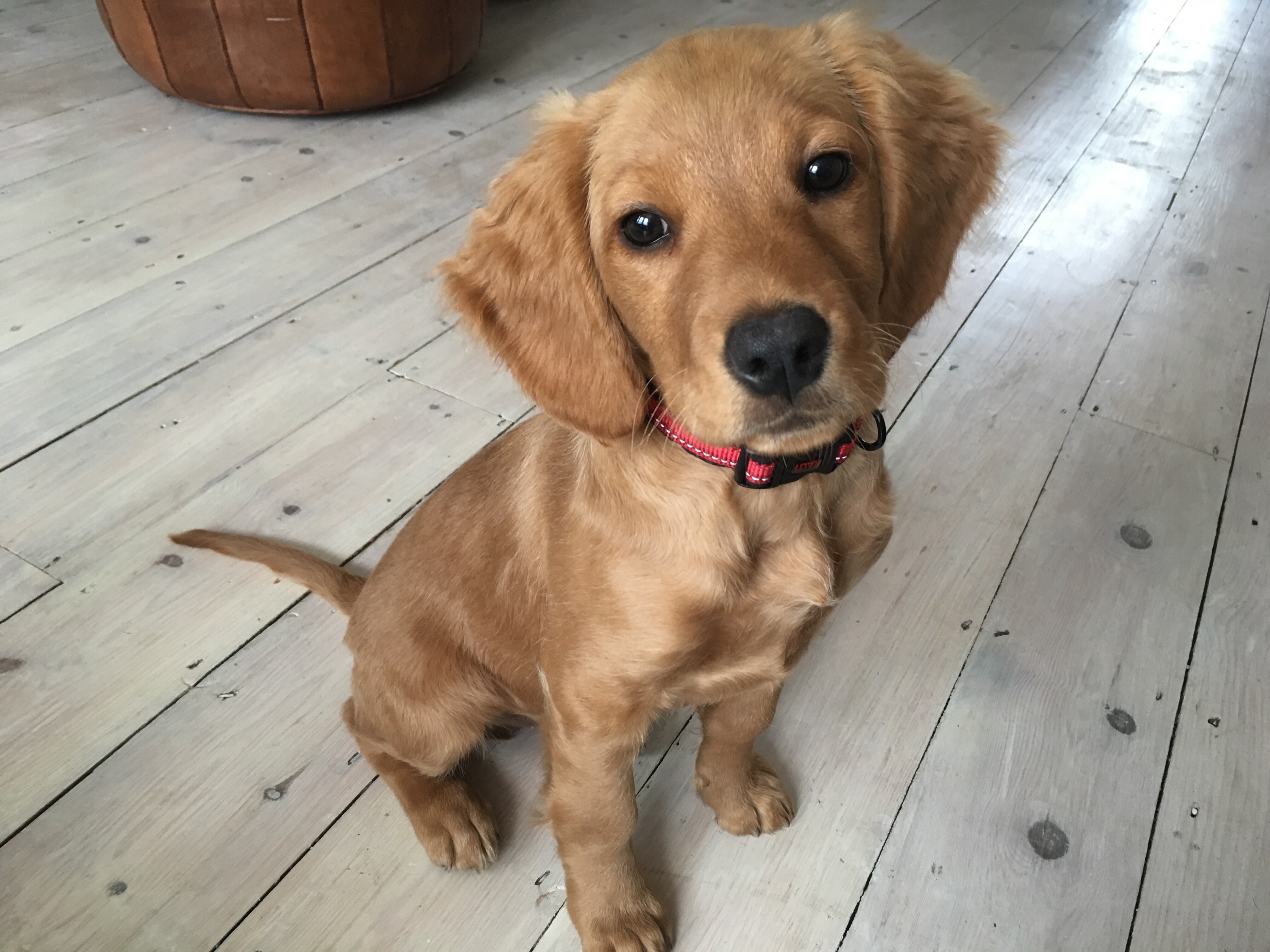
If you can’t make any of my group classes, I offer a course of four, private puppy training lessons at your home or other suitable location, such as a local park, during weekdays, evenings or at the weekend (please note prices vary).
I will tailor these bespoke lessons, based on your puppy’s needs and though private lessons may be more practical or convenient for you, it is still extremely important that your puppy gets as much socialisation with other puppies, dogs, cats, children, adults and other environments, outside private lessons.
Private lessons can be booked via my payments page.
If you have any questions, please call my PA Jayne on 07471 821696 or get in touch.
 Penaran Higgs BSc Psychology, PgDip CABC (Companion Animal Behaviour Counselling)